
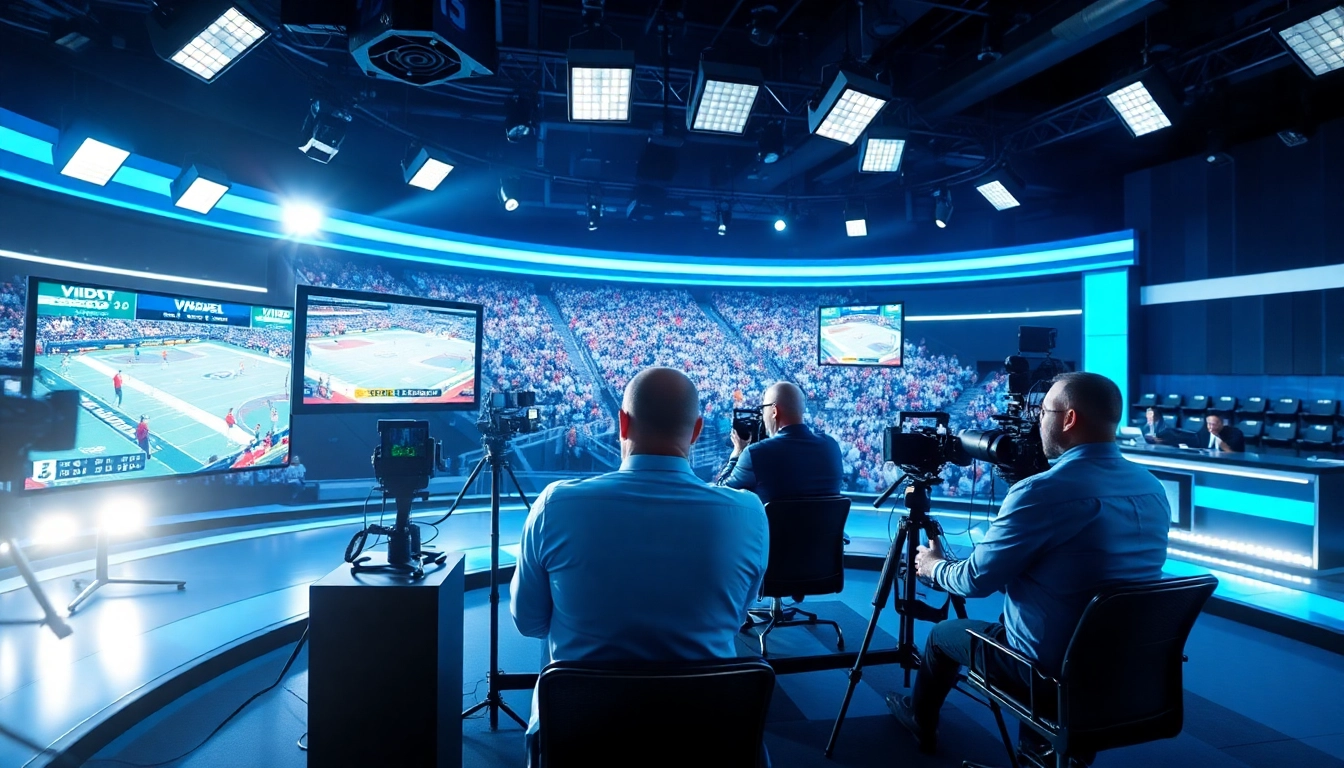
Introduction to Sports Broadcasting
Sports Broadcasting is a dynamic field that combines the excitement of sports with the intricacies of multimedia communication. As audiences grow more engaged with their favorite teams and players, the demand for high-quality sports content has never been greater. A robust understanding of the fundamentals, technology, and skills involved is essential for anyone looking to thrive in this arena. Whether you are a budding broadcaster or an established professional, leveraging resources like Sports Broadcasting expertise can give you a significant edge.
Understanding the Basics of Sports Broadcasting
At its core, sports broadcasting involves the transmission of live sports events via television, radio, or internet platforms. This transmission provides commentary, analysis, and dramatic renderings of sports events to engage viewers. It includes pre-game, intermission, and post-game analyses which are crucial for enriching the audience’s experience. Competitors in this field must recognize the various broadcasting formats—whether it’s a local radio station, a national television network, or digital streaming services.
The Role of Technology in Sports Broadcasting
The technological landscape of sports broadcasting has evolved significantly over the past decade. Today, high-definition cameras, drones, and advanced graphics software have transformed how sports stories are told. Real-time data analytics provide commentators with statistics at their fingertips, enhancing storytelling and viewer engagement. The rise of artificial intelligence also offers exciting capabilities, from intelligent graphics displaying player statistics to automated highlights. The integration of such technology enables broadcasters to deliver captivating content, keeping viewers glued to their screens.
Key Skills Required for Sports Broadcasting
Success in sports broadcasting requires a diverse set of skills. Broadcasters must possess strong communication abilities, enabling them to convey complex information clearly and effectively. A solid understanding of sports rules and analytics is crucial, allowing them to provide well-informed commentary. Technical skills are also important, as broadcasters work with various equipment and software tools. Moreover, adaptability is key in live environments where scenarios can change rapidly, demanding quick thinking and responsiveness to ensure smooth broadcasts.
Essential Equipment for Sports Broadcasting
Microphones and Sound Equipment
Quality audio is vital in sports broadcasting. Broadcasters utilize various types of microphones—such as lapel mics for interviews and shotgun mics for capturing distant sounds during a play. It’s crucial to invest in high-fidelity audio equipment, including mixers and sound boards, to ensure that the audio quality matches the visual presentation. The ability to manage sound levels effectively can make a significant difference in how audiences receive live broadcasts.
Cameras and Visual Gear
The visual aspect of sports broadcasting holds equal importance as audio. The use of multiple camera angles, slow-motion replays, and close-ups can elevate the storytelling experience. Broadcasters must engage with not just professional-grade cameras but also consider mobile and drone technology that offers unique perspectives. High-definition cameras, alongside stabilization equipment, enhance footage quality. The choice of lens also plays a crucial role, especially in providing viewers with immersive experiences.
Production Software and Tools
Behind the scenes, production software is integral to sports broadcasting. Programs for video editing, graphics generation, and live streaming are vital components. Tools like Adobe Premiere Pro and Final Cut Pro assist in refining content, while OBS Studio (Open Broadcaster Software) enables effective live-streaming. Ensuring that the team is proficient in these tools ensures smooth production workflows, ultimately benefiting the quality of the broadcast.
Best Practices in Sports Broadcasting
Preparing for Live Events
Successful broadcasting starts long before the event begins. Preparation includes researching teams and players to provide accurate context during the broadcast. Conducting pre-event meetings with the production team to assign roles and rehearse key points ensures everyone is aligned on the execution plan. Establishing robust communication protocols is also essential for facilitating fluid exchanges during live events, allowing the team to adapt to unexpected developments seamlessly.
Engaging Your Audience Effectively
Viewer engagement is paramount in sports broadcasting. Utilizing social media platforms to promote your broadcast and encourage viewer interactions, such as polls or Q&A segments, can enhance audience involvement. Additionally, incorporating expert analysis or player interviews provides depth and encourages viewers to connect more with the content. Consistent audience interaction through platforms like Twitter or Instagram can facilitate a two-way dialogue, which builds viewer loyalty.
Handling Technical Failures During Broadcasts
Technical difficulties can arise during live broadcasts, but being prepared can mitigate their impact. Establishing a contingency plan is crucial—this might include backup communication systems or alternative methods of broadcasting if main systems fail. Continual training and rehearsals in troubleshooting common issues help maintain team confidence and effectiveness when problems arise. Viewers may not always notice minor hiccups; however, maintaining composure and professionalism during such instances enhances credibility.
Current Trends Shaping Sports Broadcasting
The Rise of Streaming Services
The proliferation of streaming services has reshaped sports broadcasting, allowing personalized viewing experiences. Consumers now choose when and how to watch games, moving away from traditional cable subscriptions towards more flexible options. Networks are investing heavily in their streaming platforms, producing exclusive content, and enhancing interactivity. Broadcasters must adapt to this shift, capitalizing on trends like on-demand replays and multi-camera alternatives to meet changing viewers’ preferences.
Virtual and Augmented Reality in Sports Broadcasting
Virtual and augmented reality technologies are making waves in sports broadcasting, providing immersive experiences that engage viewers in novel ways. These technologies allow for interactive game experiences where fans can virtually step into a stadium or experience plays from various angles. Broadcasters can utilize VR for training, enhancing the skills of commentators and analysts by simulating game environments that necessitate quick decision-making.
Social Media’s Impact on Sports Coverage
Social media has fundamentally transformed how sports broadcasting reaches audiences. Platforms like Twitter, Instagram, and TikTok serve as essential tools for disseminating content and engaging fans. Broadcasters leverage these platforms to provide highlights, behind-the-scenes content, and live updates, enticing new audiences and retaining existing ones. The immediacy of social media allows for real-time interaction, transforming passive viewers into active participants in the sports narrative.
Measuring Success in Sports Broadcasting
Key Performance Indicators (KPIs) to Track
Measuring success in sports broadcasting is essential for evaluating performance and driving improvements. Key Performance Indicators (KPIs) such as viewer ratings, engagement levels, and social media interactions help broadcasters understand their audience better. Analyzing metrics like average watch time and peak viewership provides insight into what resonates with audiences. Adjustments based on data insights can refine content strategies for future broadcasts more effectively.
Understanding Viewer Engagement Metrics
Engagement metrics reflect how effectively a broadcast resonates with its audience. These can include comments, shares, likes, and overall interactions on social media platforms and streaming services. Identifying peak times for viewer engagement helps strategize content delivery, ensuring broadcasts gain maximum visibility. Leveraging analytics tools to track these metrics allows broadcasters to adapt their content and make informed decisions moving forward.
Innovative Strategies for Improvement
Innovative strategies fuel growth in the sports broadcasting landscape. Incorporating viewer feedback into future programming allows audiences to feel valued and increases their allegiance to your brand. Experimentation with diverse content formats, such as short-form videos or interactive polls, can attract various viewer demographics. Regularly revisiting and refining strategies in line with industry trends ensures that broadcasters not only keep pace with change but also lead the way in developing future broadcasting techniques.
Frequently Asked Questions
What is sports broadcasting?
Sports broadcasting involves the live transmission of sports events, providing commentary, analysis, and engagement for viewers on various platforms.
What equipment is essential for sports broadcasting?
Essential equipment includes high-quality microphones, cameras, production software, and sound equipment to ensure a polished broadcast.
How do streaming services impact sports broadcasting?
Streaming services provide flexible viewing options, allowing audiences to consume content on-demand and reshaping traditional broadcasting dynamics.
What are key performance indicators in sports broadcasting?
KPIs include viewer ratings, engagement levels, and social media interactions that help evaluators gauge the success of broadcasts.
How can audience engagement be improved in sports broadcasting?
Audience engagement can be enhanced through interactive content, social media integration, and tailoring broadcasts to viewer preferences.