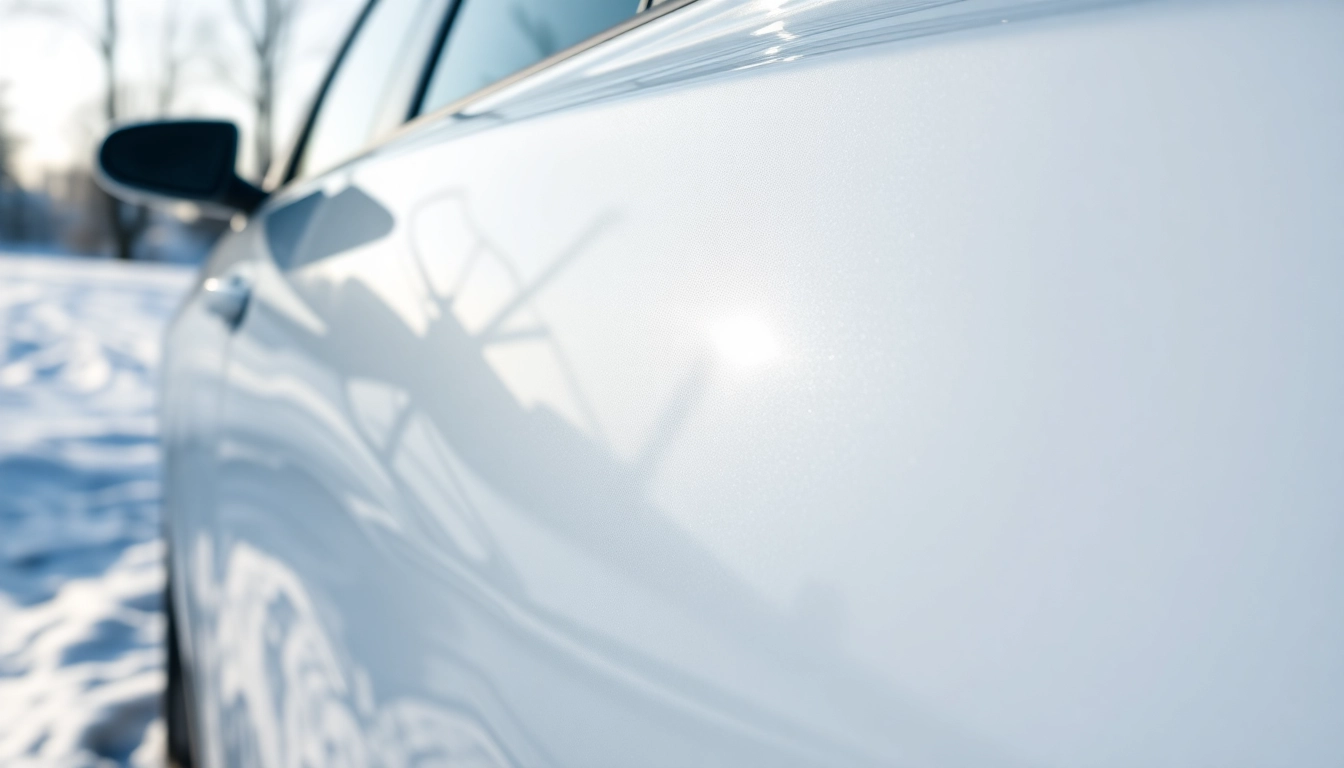
Understanding PPF Winter Road Salt Protection
What is PPF and Why is it Important?
Paint Protection Film (PPF) is a thermoplastic urethane film applied to the exterior surfaces of a vehicle to shield it from various threats, including scratches, chips, and chemical contaminants. During the winter months, road salt becomes a significant concern for vehicle owners, as it can lead to corrosion and degradation of a car's exterior. This is where PPF winter road salt protection comes into play, offering a barrier that not only protects the paint but also extends the life of the vehicle's finish.
Key Benefits of PPF Winter Road Salt Protection
Investing in PPF winter road salt protection comes with numerous benefits:
- Corrosion Resistance: PPF acts as a safeguard against harmful chemicals found in road salt, minimizing the chances of rust developing on the vehicle's body.
- Self-Healing Properties: Many PPFs feature self-healing technology, enabling minor scratches to disappear with heat application, maintaining the aesthetic appeal over time.
- UV Protection: PPF not only protects against physical damage but also blocks harmful UV rays, preventing paint fading.
- Easy Maintenance: The smooth surface of PPF makes washing and waxing much easier than traditional paint surfaces.
- Enhanced Resale Value: By preserving the vehicle's paint condition, PPF can enhance the resale value of a vehicle, making it an excellent investment.
Common Misconceptions About PPF
Despite its advantages, several myths surround PPF:
- PPF is Only for Luxury Cars: In reality, any vehicle can benefit from PPF application, regardless of its market value.
- It Dulls the Paint's Shine: High-quality PPF maintains the original hue and gloss of the paint and can even enhance it.
- PPF is Unnecessary in Mild Climates: Road salt damage can occur anywhere, and PPF provides an added layer of security regardless of the local climate.
Installation Process for PPF Winter Road Salt Protection
Pre-Installation Vehicle Preparation
Proper preparation is crucial for a successful PPF installation. Follow these steps:
- Thorough Cleaning: Start with a thorough wash to remove dirt, grease, and existing wax. Use a pH-neutral soap and a microfiber cloth to avoid scratching the surface.
- Paint Correction: Inspect the paint for imperfections. If there are scratches or swirls, consider polishing the surface to ensure it's smooth before applying PPF.
- Dry the Vehicle: Ensure the car is completely dry, paying special attention to trim and crevices where water can hide.
- Environment: Choose a dust-free environment with a stable temperature to prevent debris from contaminating the installation process.
Step-by-Step PPF Application Guide
The PPF installation process requires precision and care:
- Measure and Cut: Measure the areas to be covered and cut the PPF accordingly, ensuring it fits well around curves and edges.
- Wet Application: Most users will find it easier to use a wet application method. Spray a solution of water and soap to manipulate the film into place.
- Position the Film: Carefully position the PPF on the desired area, ensuring alignment and coverage.
- Squeegee Out Bubbles: Use a squeegee to remove air bubbles and excess water, pushing outwards from the center of the film.
- Trim Edges: Post-application, trim any excess film at the edges for a clean and snug finish. Make sure not to cut into the vehicle paint.
- Heat to Bond: Use a heat gun to activate the adhesive, allowing the film to bond firmly with the vehicle surface.
Post-Installation Care and Maintenance
To maximize the lifespan of your PPF, proper maintenance is essential:
- Initial Curing Time: Avoid washing the car for at least 7 days after installation to allow the adhesive to cure properly.
- Regular Cleaning: Use a soft microfiber cloth and gentle car wash soap to keep the PPF clean. Avoid abrasive cleaners that can scratch the film.
- Apply Sealants: Consider applying a sealant designed for PPF to keep the surface glossy and further protect it from staining.
- Inspect Regularly: Regularly check the PPF for signs of damage or lifting at the edges and address any issues promptly.
Performance Metrics of PPF Winter Road Salt Protection
Understanding Longevity and Durability
The durability of PPF varies based on the quality of the film used and its application. High-quality PPF can last up to 10 years, staying effective against road salt and other threats if properly maintained. The lifespan might be affected by environmental factors, such as exposure to the elements or extreme temperatures, but consistent care can extend its efficacy.
Comparing PPF to Other Protective Options
When evaluating vehicle protection options, it's essential to compare PPF with alternatives such as ceramic coatings and traditional wax. While ceramic coatings provide excellent chemical resistance, they offer less physical protection against road debris and impacts than PPF. Wax can provide a temporary shine but lacks the enduring defensive capabilities of PPF or ceramic coatings. In the context of winter road conditions, PPF stands out as the superior choice.
Real-life User Experiences and Reviews
User experiences with PPF winter road salt protection often highlight its effectiveness. Many users report a noticeable reduction in paint chips and scratches after winter seasons, emphasizing the convenience of the product. Reviews often point out that the investment in PPF pays off, as the vehicle retains its pristine appearance, contributing to higher resale values.
PPF Winter Road Salt Protection vs. Environmental Impact
PPF and Eco-Friendliness
While PPF provides substantial vehicle protection, it is essential to consider its environmental impact. Many modern PPFs are made from recyclable materials, encouraging responsible disposal. Additionally, preserving the paint of a vehicle reduces the need for re-painting, which can be more damaging to the environment due to VOC emissions.
Long-term Benefits for Vehicle Resale Value
When it comes to vehicle resale value, PPF winter road salt protection can significantly enhance the perceived worth of a vehicle. A well-preserved paint job with no scratches or corrosion can fetch a higher resale price than a vehicle that has experienced paint damage. This is especially pertinent when maintaining clarity and shine in the resale conditions.
Recycling Options for Used PPF
As sustainability becomes more vital in consumer choices, the recycling of used PPF is increasingly advocated. Many manufacturers have begun programs to recycle old PPF films, allowing for responsible disposal. This not only lessens the environmental footprint of the product but also supports a more sustainable vehicle maintenance practice.
Frequently Asked Questions About PPF Winter Road Salt Protection
What is the lifespan of PPF?
The lifespan of PPF can range from 5 to 10 years, depending on the product's quality and maintenance.
Can PPF be removed easily?
Yes, PPF can be removed without damaging the vehicle's paint if done carefully, typically using heat to soften the adhesive.
How does PPF protect against road salt?
PPF acts as a barrier that prevents road salt and other corrosive materials from directly contacting the paint, reducing the risk of damage.
Is PPF worth the investment?
Yes, investing in PPF can save money in the long term by protecting the vehicle's exterior and helping maintain its resale value.
What maintenance is required for PPF?
PPF requires gentle cleaning with pH-neutral soaps and occasional application of sealants to maintain its appearance and effectiveness.