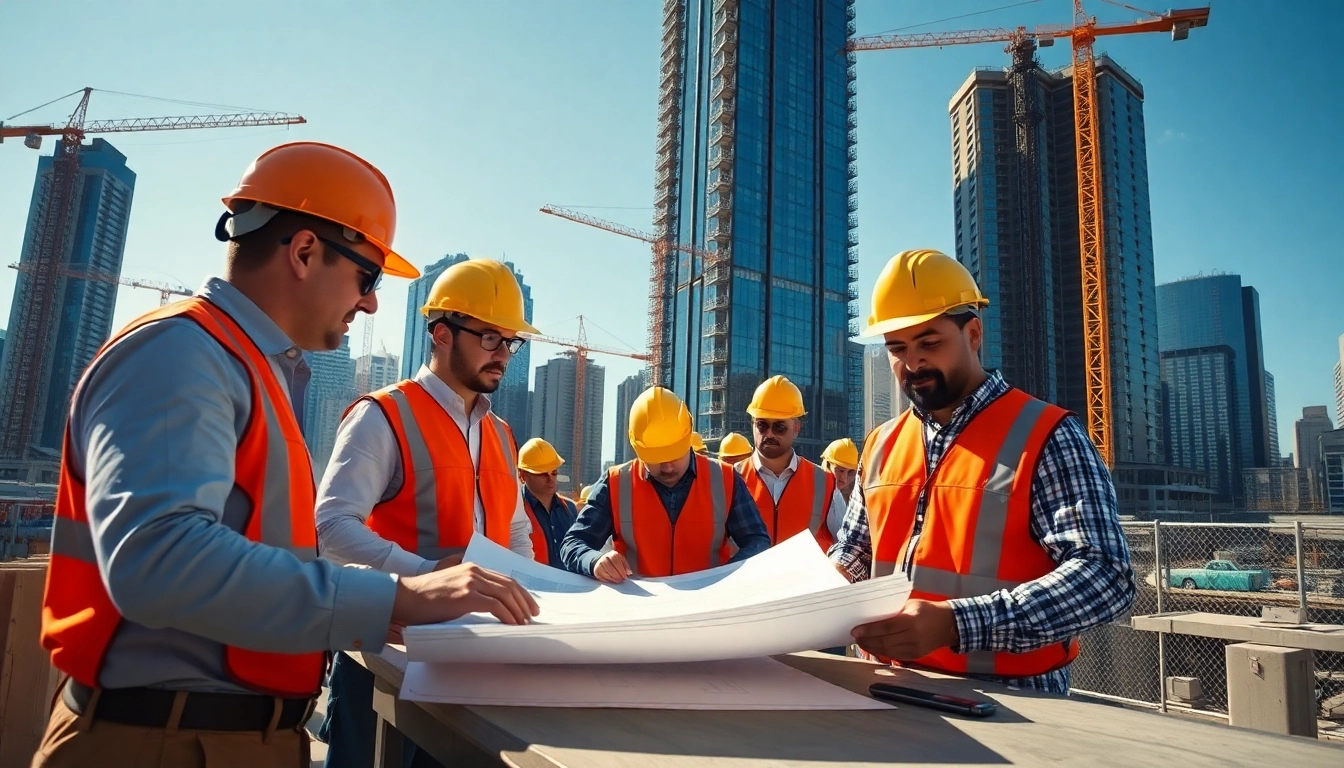
Understanding the Role of a Manhattan Commercial General Contractor
In the bustling and competitive environment of Manhattan's construction industry, the function of a Manhattan Commercial General Contractor is pivotal. These professionals act as the linchpin in the construction process, managing diverse tasks that are crucial to the successful delivery of commercial projects. Understanding their responsibilities, skills, and influence on project outcomes can help clients make informed decisions when hiring a contractor for their next venture.
Defining Key Responsibilities
The responsibilities of a Manhattan Commercial General Contractor are extensive. They are not just involved in on-site management, but also engage in project planning, budgeting, and scheduling. Key responsibilities include:
- Project Management: Overseeing the entire construction process from pre-construction to project completion.
- Coordinating Subcontractors: Hiring and managing subcontractors such as electricians, plumbers, and masons to ensure that the work is executed according to specifications.
- Budget Management: Developing and sticking to budget estimates, what includes material, labor, and equipment costs.
- Quality Control: Ensuring that all work meets the required standards and regulations throughout the construction process.
- Scheduling: Creating and maintaining timelines to ensure the project is completed on time.
- Compliance: Adhering to local building codes and safety regulations, which is essential in Manhattan’s densely populated areas.
How They Influence Project Success
The impact that a Manhattan Commercial General Contractor has on a project's success cannot be overstated. They bridge communication between clients, architects, engineers, and subcontractors. By ensuring that everyone is aligned with the project goals and timelines, contractors can mitigate misunderstandings that could lead to costly delays or budget overruns. Additionally, their expertise in navigating local regulations and obtaining necessary permits is invaluable in keeping the project on track.
Essential Skills and Competencies
Successful contractors possess a unique combination of skills and competencies, which include:
- Leadership: The ability to lead diverse teams and maintain high morale throughout the project lifecycle.
- Detailed Knowledge of Construction: Understanding building techniques, materials, and best practices.
- Strong Communication Skills: Ensuring effective discussions with team members, stakeholders, and clients.
- Problem-Solving Skills: Ability to quickly address issues as they arise, preventing them from affecting overall progress.
- Financial Acumen: Proficient in budgeting, forecasting, and financial management to ensure project viability.
Factors to Consider When Hiring a Manhattan Commercial General Contractor
When it's time to choose a contractor for your commercial project, there are several critical factors to evaluate to ensure you make the best decision.
Assessing Experience and Expertise
Experience often translates to a contractor's ability to navigate complex projects. Look for a Manhattan Commercial General Contractor with a proven record in managing similar projects. Ask for case studies or references that demonstrate their success in completing projects on time and within budget. An experienced contractor can foresee potential issues and proactively address them, which is invaluable in urban construction settings.
Licensing and Certifications
Always verify that the contractor holds the necessary licenses and certifications required to operate in Manhattan. This includes general contractor licenses and any specific certifications for specialties like electrical or plumbing work. Licensed contractors are typically required to meet specific standards, including insurance coverage for liability and worker's compensation, providing additional security for your investment.
Evaluating Past Projects and References
Reviewing a contractor’s past projects and seeking references from former clients can provide insight into their capabilities and reliability. A good Manhattan Commercial General Contractor should have a portfolio showcasing diverse projects. Engage with previous clients to understand their experiences, the challenges faced during the project, and how effectively the contractor addressed them.
The Benefits of Hiring a Manhattan Commercial General Contractor
Choosing to hire a Manhattan Commercial General Contractor can lead to numerous benefits, streamlining the entire construction process and ensuring a successful outcome.
Streamlining the Construction Process
By taking on the responsibility of managing the project, a general contractor streamlines processes and reduces the workload for clients. They coordinate all logistics, manage timing, and ensure that all subcontractors are in sync. This orchestrated effort reduces the risk of projects running off schedule, which can be particularly challenging in Manhattan’s complex urban environment.
Cost Management and Budgeting
Effective management of finances is a hallmark of a competent contractor. They provide clients with detailed estimates upfront and maintain transparent financial tracking throughout the project. This foresight helps mitigate unexpected costs, making it easier for clients to plan their budgets accurately. The expertise of a contractor can often help identify areas to cut costs without sacrificing quality, ensuring the project remains within financial goals.
Ensuring Quality and Compliance
One primary goal of hiring a commercial general contractor is to ensure that the work meets high-quality standards and complies with local regulations. Contractors are adept at quality control processes, which include regular site inspections and adherence to safety standards, ensuring that the project meets or exceeds both industry and government regulations.
How to Manage Communication with Your Manhattan Commercial General Contractor
Effective communication is crucial for a successful partnership with your contractor. Establishing a clear line of communication can lead to a more efficient project and a harmonious working relationship.
Establishing Clear Expectations
From the outset, ensure that both you and your contractor have a mutual understanding of the project scope, timeline, and budget. Discuss expectations regarding communication frequency, methods, and response times. A clear agreement on these points sets the foundation for a productive working relationship.
Regular Progress Updates and Meetings
Schedule regular meetings to discuss project status and address any issues that may arise. These updates can help identify potential roadblocks early, allowing for timely resolutions. Utilize these check-ins to reassess timelines and adjust budgets as needed, ensuring that everyone remains aligned and informed.
Using Technology for Effective Collaboration
Embrace modern technology to enhance communication. Tools such as project management software, cloud-based document sharing, and communication applications facilitate real-time collaboration. This ensures that all stakeholders can access the latest versions of plans and documents, reducing misunderstandings and errors.
Frequently Asked Questions
What is a Manhattan Commercial General Contractor?
A: A Manhattan Commercial General Contractor oversees construction projects, ensuring quality and compliance.
How do I find the right contractor?
A: Research online reviews, ask for recommendations, and review past projects to find a suitable candidate.
What are typical costs associated with hiring a contractor?
A: Costs vary widely based on project size and complexity; always request detailed estimates beforehand.
How do contractors ensure compliance with city regulations?
A: Contractors are knowledgeable about local building codes and regulations, ensuring adherence throughout the project.
What should I include in a contract?
A: Contracts should detail scope, pricing, timeline, and payment terms for clarity and protection.